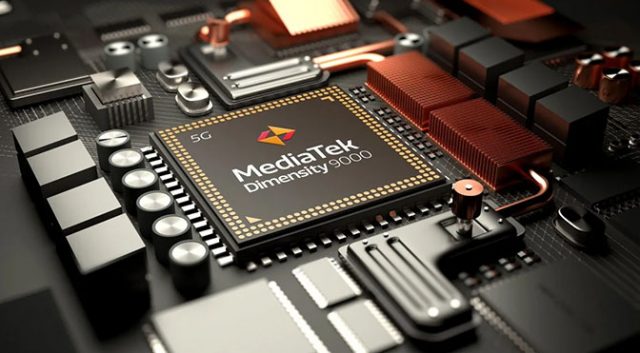
The world of mobile technology is constantly evolving, with new advancements and innovations emerging every day. One of the key components that drives the performance of a smartphone is its processor. In this article, we will be exploring some of the top mobile processors available on the market today. From premium high-end processors such as Qualcomm Snapdragon 888 and Apple A14 Bionic to mid-range processors like MediaTek Dimensity 1000+, we will be taking a closer look at their key features, performance capabilities, and cost. We will also discuss what AnTuTu score means in mobile technology and how it can be used to evaluate the performance of a mobile device. So whether you’re a tech enthusiast or just in the market for a new smartphone, this article will provide you with the information you need to make an informed decision.
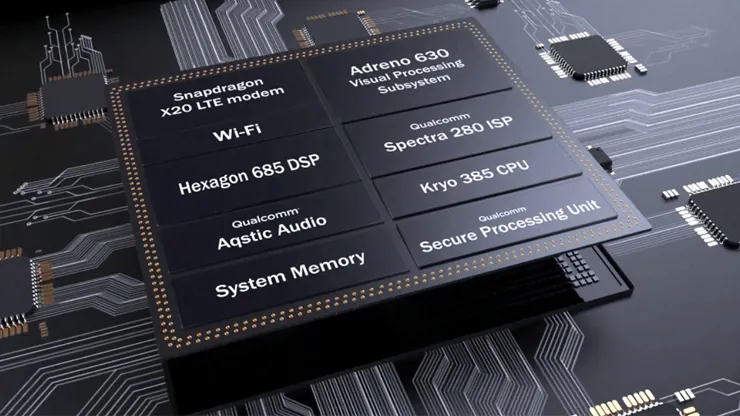
- Qualcomm Snapdragon 888: The Snapdragon 888 is a high-end mobile processor designed for use in premium smartphones. It uses an 8-nanometer architecture and features an octa-core CPU, Adreno 660 GPU, and 5G connectivity. In terms of performance, the Snapdragon 888 offers improved graphics and AI capabilities compared to its predecessor, the Snapdragon 865. The cost of this processor can vary, but it is typically found in high-end smartphones with a premium price point. The Snapdragon 888 is found in premium smartphones from brands such as Samsung, Xiaomi, Oppo, Vivo, and many more
- Apple A14 Bionic: The A14 Bionic is a mobile processor designed for use in Apple’s iPhone lineup. It uses a 5-nanometer architecture and features a hexa-core CPU and Apple’s custom GPU. The A14 Bionic offers improved performance and efficiency compared to previous generations of the A-series processor. It is typically found in Apple’s latest iPhone models, which are known for their premium pricing. The A14 Bionic is exclusive to Apple’s iPhone lineup
- Samsung Exynos 2100: The Exynos 2100 is a high-end mobile processor designed for use in Samsung’s Galaxy smartphones. It uses a 5-nanometer architecture and features an octa-core CPU and Mali-G78 GPU. The Exynos 2100 offers improved performance and efficiency compared to its predecessor, the Exynos 990. Samsung’s Galaxy smartphones are typically priced in the premium segment, and the cost of this processor will reflect this.
- Huawei Kirin 9000: The Kirin 9000 is a high-end mobile processor designed for use in Huawei’s premium smartphones. It uses a 5-nanometer architecture and features an octa-core CPU and Mali-G78 GPU. The Kirin 9000 offers improved performance and efficiency compared to its predecessor, the Kirin 990. Huawei’s smartphones are typically priced in the premium segment, and the cost of this processor will reflect this.
- MediaTek Dimensity 1000+: The Dimensity 1000+ is a mid-range mobile processor designed for use in smartphones. It uses a 7-nanometer architecture and features an octa-core CPU and Mali-G77 GPU. The Dimensity 1000+ offers improved performance and efficiency compared to its predecessor, the Dimensity 1000. The cost of this processor is typically lower compared to the premium processors, making it more accessible for consumers looking for a high-performance smartphone without breaking the bank. The Dimensity 1000+ is found in smartphones from brands such as Realme, Oppo, and Vivo
In conclusion, the differences between these processors are mainly in terms of architecture, performance, and cost. Each processor is designed with specific performance and cost targets in mind, making them suitable for different segments of the smartphone market.
Your email address will not be published. Required fields are marked *